- Home
- Capabilities
- Laminating & backing
Laminating & backing
Foam + adhesive + release film as multi-layer laminates; peel tuned to your assembly—low tack for rework, high tack for one-shot permanent bonds. We can also add adhesive backing, change release liners, or laminate two materials into one sheet.
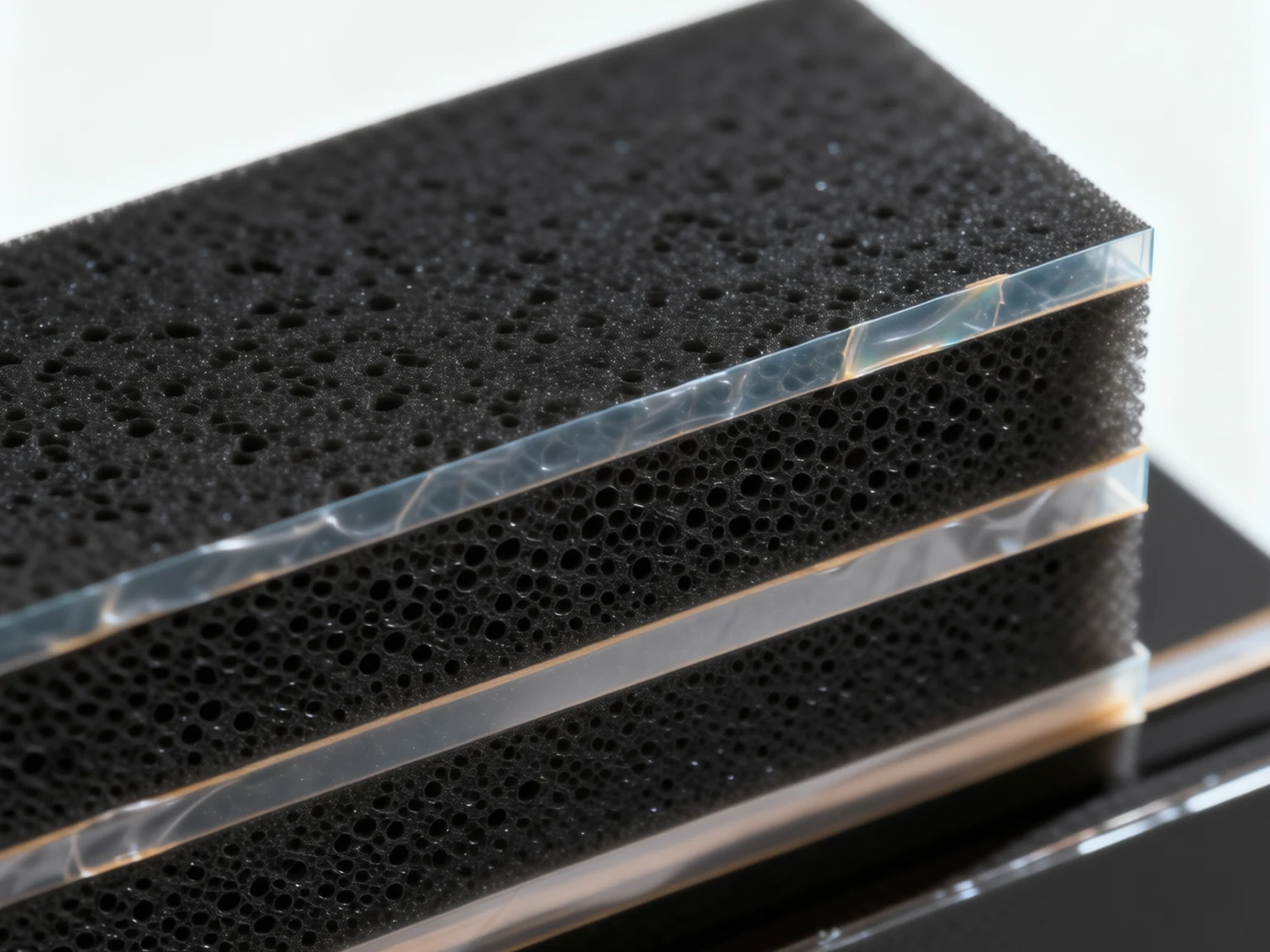
Shop floor & finished-part view
Shop-floor and laminated finished stills—useful for comparing adhesive backing and multi-layer edges.
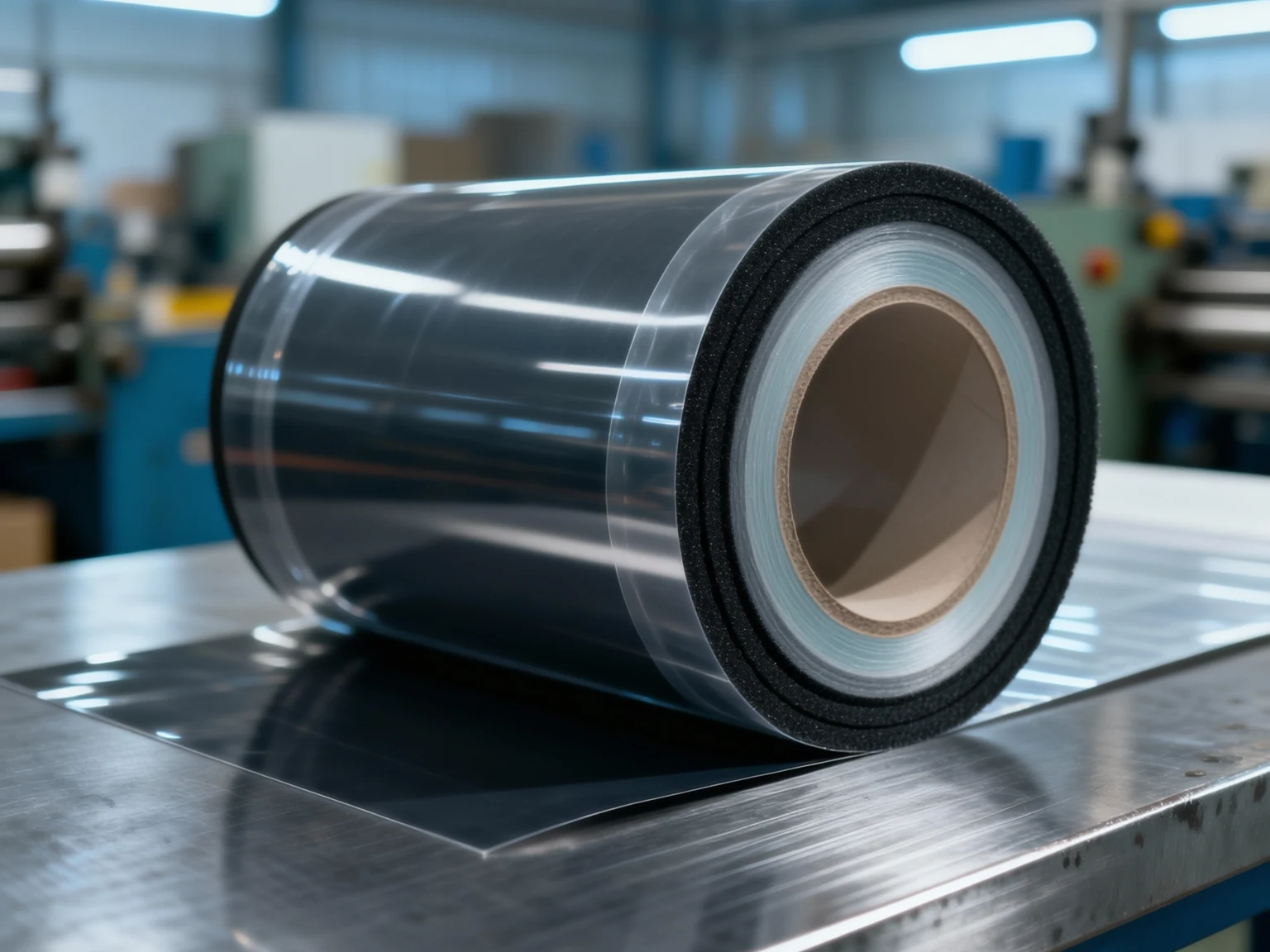
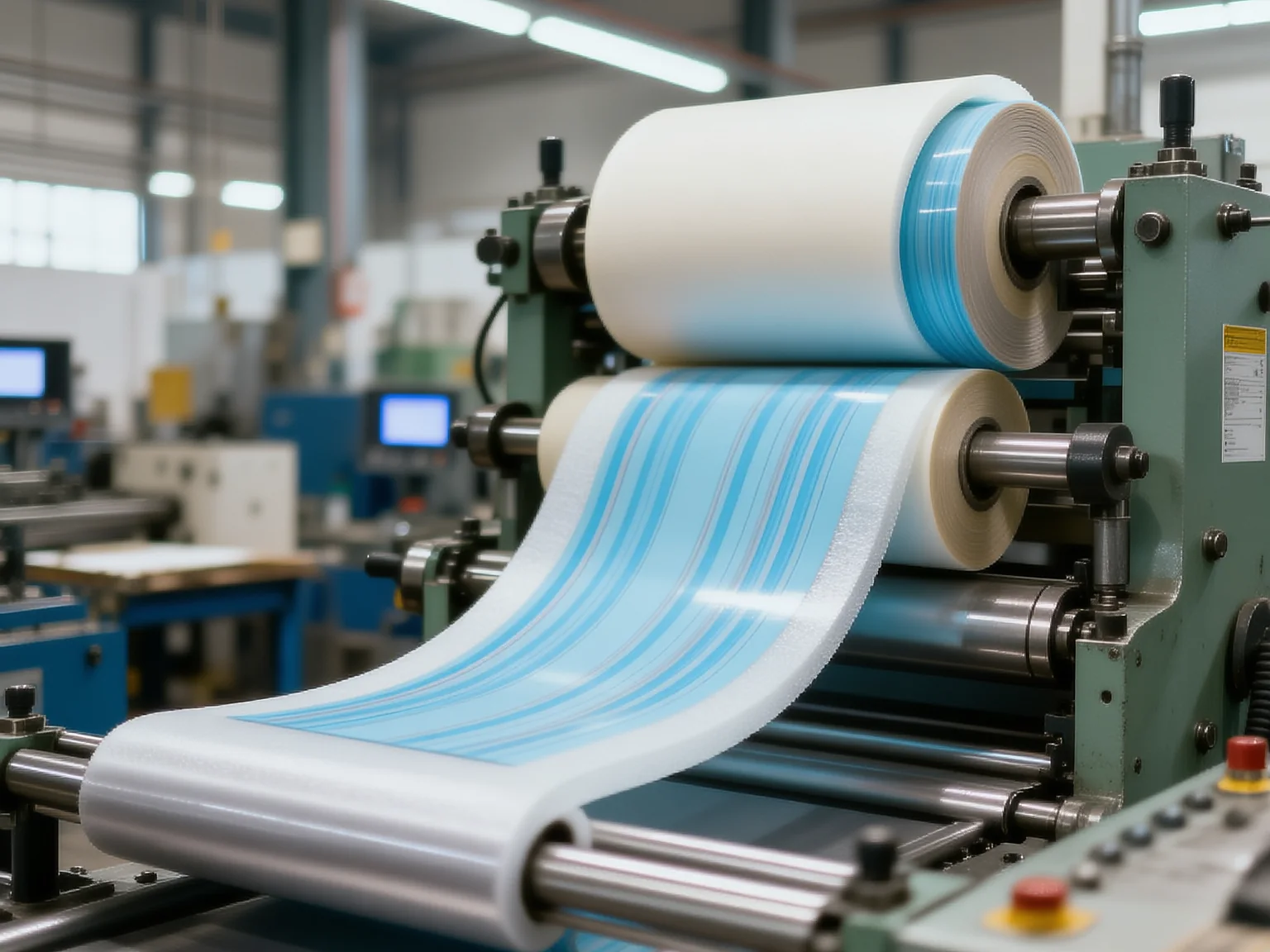
How the process runs
Laminating & adhesive backing turn multiple layers into one sheet ready for downstream converting. Below expands the overview—useful when deciding DIY construction vs buying finished tape.
A common build isfoam + adhesive + release filmas a multi-layer laminate; we can alsoadd adhesive backing, change release liners, or bond two materials into one sheet. Structures are usually 2–3 layers, set by use.
Peel strengthAdhesive system and coat weight follow the assembly process: low tack for rework; high tack for one-shot permanent bonds. Release paper / film follows the next process for easy peel or die cutting.
Laminating is often upstream of die cutting and slitting—lock the structure first, then cut the outline. Accountability stays on one line; no shuttling drawings between a materials vendor and a converter.
When to choose in-house laminating
If a finished tape already fits, don't force a laminate; when structure, peel, or release must match the line, in-house is more controllable.
- Need a custom multi-layer build that off-the-shelf can't match
- Peel must be tuned separately for rework vs permanent assembly
- Need a release change, adhesive backing, or two materials bonded into one sheet
- Downstream die cutting / slitting wanted in the same workshop as the upstream build
- Standard double-sided / foam tapes already meet the conditions
- Low volume, simple structure—running a laminate line isn't worth it
- Outline die cutting only; material spec already fixed
- We can also help pick finished materials from the drawing, then die-cut
Laminating often feeds into Flatbed / Rotary or Slitting; when selection is unclear, start with the overview matrix.
Bubbles, tension & size
Interlayer bubbles and tension are the main controls; laminated size shifts slightly with climate—leave allowance on precision parts.
Interlayer bubbleshurt appearance and bond reliability—watch web tension, nip pressure, and material flatness. Unstable tension also causes wrinkles, wander, or layer misregister.
Size allowance: laminated stock can shift slightly with climate. Leave allowance on precision drawings, and confirm peel and size on first article before volume.
Suitable materials & outputs
Foam, film, fabric, nonwoven, metal foil and more can be laminated / backed. In the overview matrix, double-sided tape, foam, film, and fabric/mesh are mostly mature (●) for laminating; rubber/silicone and metal foil are possible with review (○).
- Suitable materials
- Foam, film, fabric, nonwoven, metal foil
- Structure
- Typically 2–3 layers, set by use
- Peel strength
- Adhesive system and coat weight chosen for the assembly process
- Release liner
- Optional; release paper / film chosen for the next process
Say whether assembly is reworkable or permanent, and whether die cutting follows—helps lock adhesive and release in one pass.
From drawing to first article
First three steps from the overview collaboration flow, focused on laminating / adhesive backing; production & packing → Capabilities overview。
Structure / Sample
Layer sketches, target peel descriptions, or physical samples all work. Stating assembly mode (rework / permanent) helps adhesive selection.
Review & quote
Material plan, structure, volume, lead time, and price in one reply. If finished goods fit better, we'll say so.
Sample approval
First-article size, edge, and peel confirmed before production—avoids batch rework.
FAQ
Rewritten from the overview FAQ for laminating; full list on the capabilities page.
Can peel be tuned to our assembly?
Yes. Peel follows adhesive system and coat weight for the assembly—low tack for rework, high tack for one-shot permanent bonds. First article confirms the agreed peel before volume.
Can you convert only, with our material?
Yes. Consignment converting and full supply both work. For consignment laminating we confirm the material suits the process first—some wrinkle or delaminate; we'll flag that early.
Typical lead time?
Usually 3–7 days, including structure confirmation and first article. Rush can compress some steps—peel and first-article approval cannot be skipped.
Send a layer sketch,
we'll start with the laminate plan.
Structure + assembly conditions + volume—we'll reply with a material plan, peel direction, and price. Samples or sketches both work.