- Home
- Capabilities
- Spooling & taping
Spooling & taping
Small die-cut parts packed on reels or carrier tape go straight onto pick-and-place and automated lines—no unpacking, staging, or hand loading. Pocket size, pick orientation, and parts per reel follow your equipment parameters.
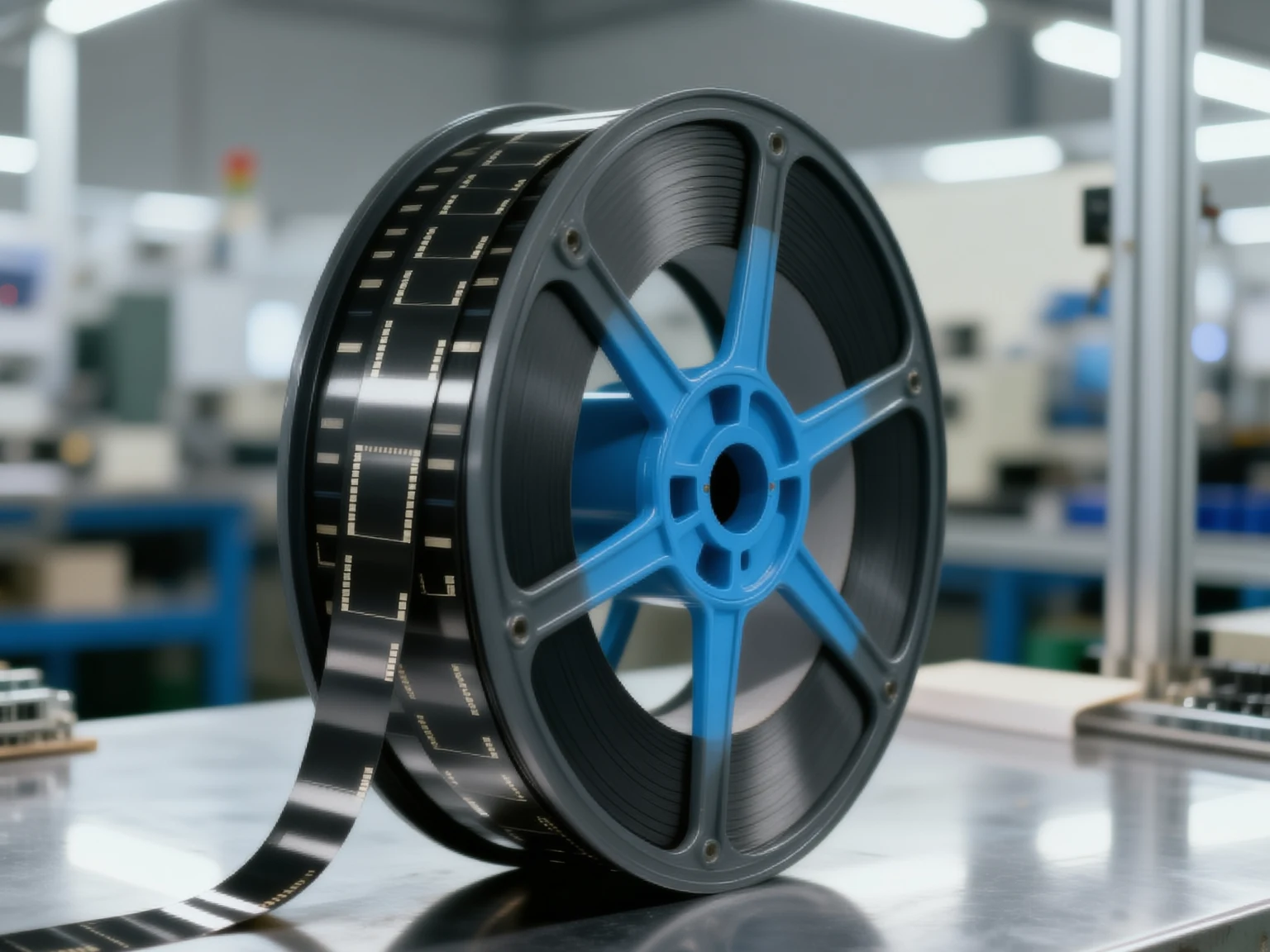
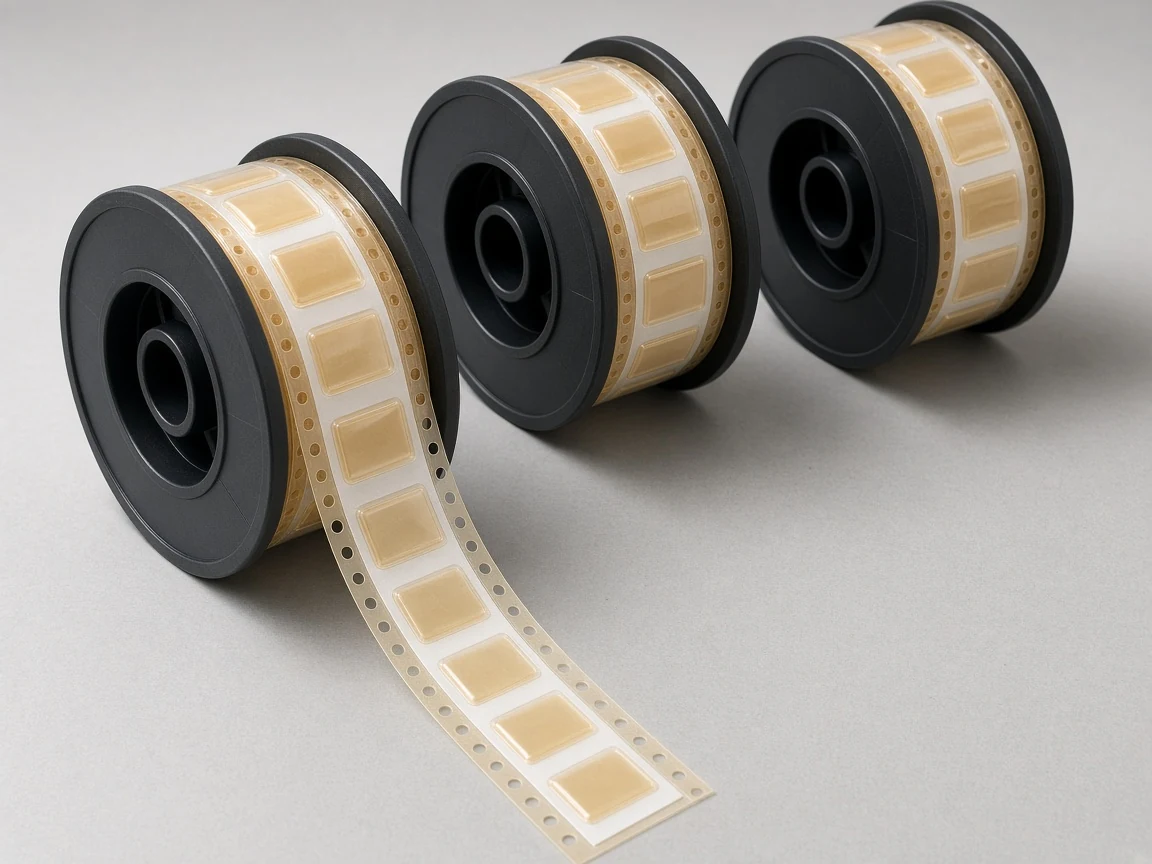
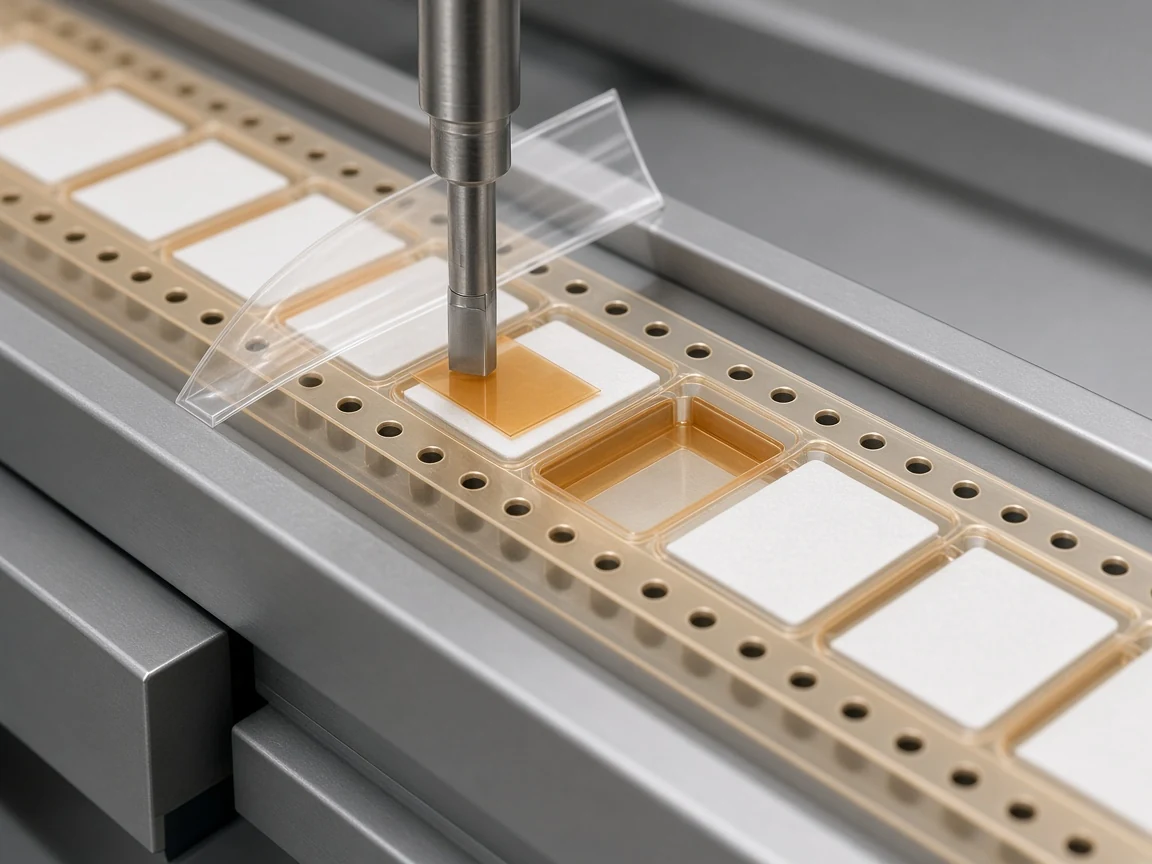
Shop floor & finished-part view
Shop-floor and taped finished stills—useful for comparing reel form and pocket detail.
How the process runs
Spooling & taping are downstream pack forms that put small die-cut parts straight onto automated lines. Below expands the overview.
Small die-cut parts can be packed asReel(reel)orCarrier tape(carrier tape)—ready for pick-and-place and automated lines, with no unpacking, staging, or hand loading.
Carrier-tape pocket size, pick orientation, and parts per reelfollow your equipment parameters. Orientation, nozzle match, and pocket fit must be proven on the first reel on-machine before scaling volume.
Upstream is usually die cutting or gasket blanking; taping is a supply-form choice, not a material substitute. Bulk bags suit hand assembly or very small volumes; automated lines save labor with tape.
When to choose taping
Taping feeds automated lines; bulk suits hand work or small volume. You can switch by production stage.
- Small die-cut parts, gaskets, insulating films, shielding pieces for automated lines
- Pick-and-place / automated lines need reel or carrier-tape feed
- Want to skip unpacking and staging—cut hand loading
- Can provide equipment-related pocket, orientation, and parts-per-reel requirements
- Hand assembly, very small volume—taping isn't worth it
- Part geometry isn't stable in a pocket yet—lock the outline first
- Only need die cutting / gaskets; no special pack requirements
- Validate as bulk first, then move to tape for production
Upstream outline → Flatbed / Blanking & gaskets; long-run roll blanking → Rotary die cutting。
Carrier orientation & nozzle match
Carrier tape must match the nozzle; wrong orientation can scrap a whole lot—always trial the first reel on the machine.
Pocket & nozzle: pockets too large let parts rattle; too tight and loading fails or parts bruise. Nozzle diameter vs part face drives pick stability. Provide these from equipment docs when you can.
Pick orientationwrong means a whole lot unusable on the line. Always trial the first reel on-machine—confirm orientation, pitch, and cover tape before scaling. Parts per reel also follow line cadence and changeover habits.
Suitable materials & outputs
Suited to small die-cut parts, gaskets, insulating films, shielding pieces, etc. In the overview matrix, film is mature (●) for spooling/taping; double-sided tape and foam are possible with review (○); rubber/silicone, metal foil, and fabric usually aren't taped.
- Suitable parts
- Small die-cut parts, gaskets, insulating films, shielding pieces
- Pack forms
- Reel(reel)、Carrier tape(carrier tape)
- Interface
- Pick-and-place, automated assembly lines
- On demand
- Pocket size, pick orientation, parts per reel
Bring equipment parameters or first-reel trial requirements to the quote; if geometry isn't locked, finish die-cut sampling before discussing tape.
From drawing to first article
First three steps from the overview collaboration flow, wording adjusted for taping; production & packing → Capabilities overview。
Drawing / equipment parameters
Part drawing or sample, plus carrier / reel requirements (pocket, orientation, parts per reel, equipment model if known).
Review & quote
Upstream die-cut plan, pack form, volume, lead time, and price in one reply. If tape isn't a fit, we'll suggest bulk.
First-reel confirmation
Trial the first reel on-machine—confirm orientation, pocket, and pick stability before scaling, so a whole lot isn't oriented wrong.
FAQ
Rewritten from the overview FAQ for taping; full list on the capabilities page.
Can bulk parts move to carrier tape?
We can assess. Small die-cut parts, gaskets, insulating films, and shielding pieces are often reeled or taped for pick-and-place and automated lines. Provide pocket, pick orientation, parts per reel, and related equipment requirements.
Why insist on a first-reel on-machine trial?
Carrier tape must match the nozzle; wrong orientation can scrap a whole lot—always trial the first reel on the machine.
Typical lead time?
Usually 3–7 days, including upstream confirmation and first article / first reel. Rush can compress some steps—first-reel on-machine confirmation cannot be skipped.
Send part geometry and equipment parameters,
we'll see if tape can feed the line directly.
Drawing / sample + carrier requirements + volume—we'll reply with a pack plan and price. First reel should be tried on-machine.